How to Prepare Your Home for a New Kitten
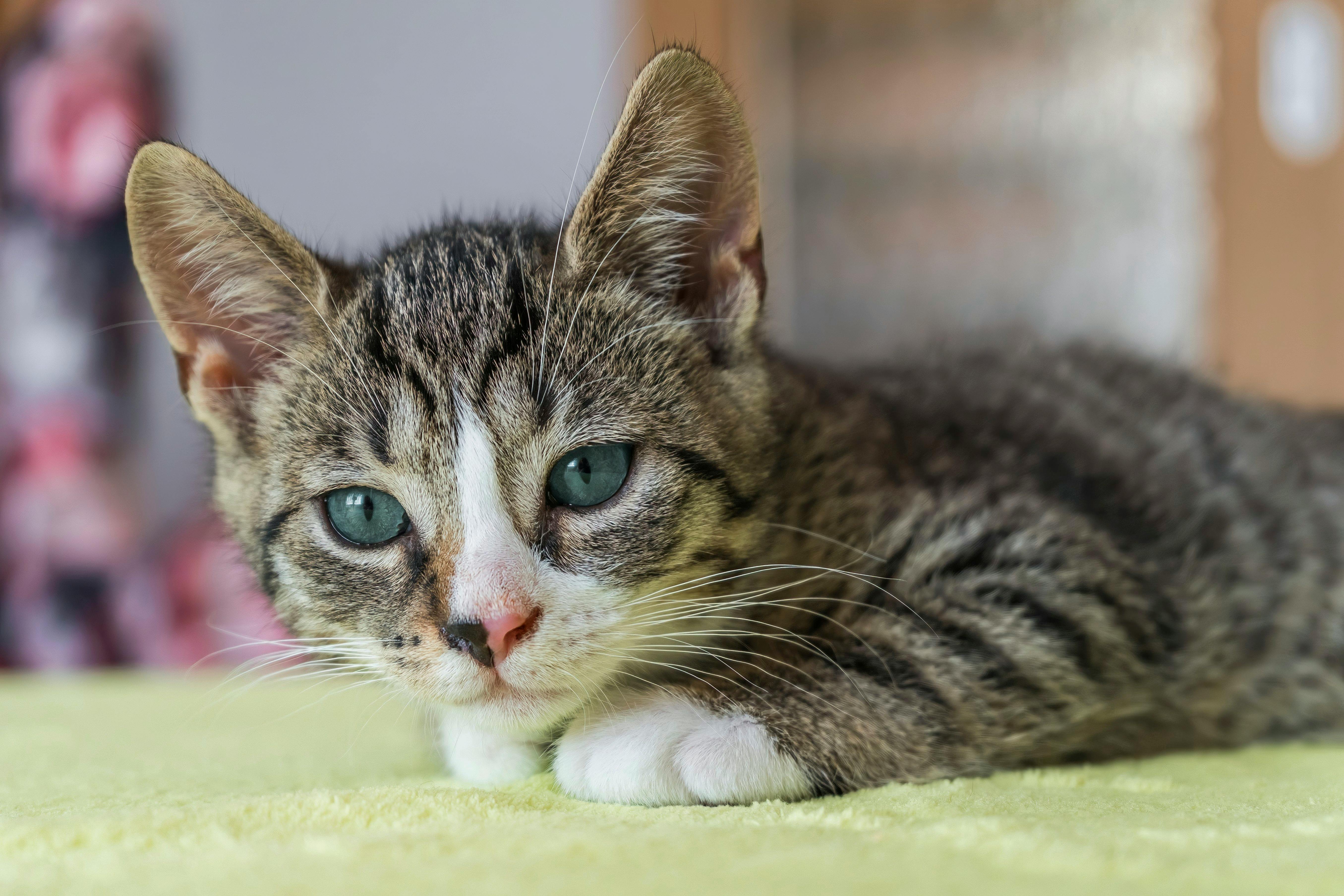
Bringing a new kitten home is an exciting experience, but preparing your home in advance can help your new companion feel safe and comfortable. Kittens are curious animals that enjoy exploring, climbing, playing, and discovering new surroundings.
Before your kitten arrives, prepare a quiet resting area, choose suitable food, set up a clean litter box, and remove potential household hazards. A little preparation can make the first few days easier for everyone.
New Kitten Checklist
Make sure you have the essential supplies ready before bringing your kitten home.
- Kitten food suitable for its age and nutritional needs.
- Clean food and water bowls.
- A litter box and suitable cat litter.
- A comfortable bed or washable blanket.
- A secure, well-ventilated cat carrier.
- Safe toys designed for kittens.
- A scratching post or scratching board.
- A secure hiding place.
- Pet-safe cleaning supplies.
- Contact details for a local veterinarian.
You do not need to purchase every available cat accessory. Start with the essentials and add other items as you learn about your kitten's preferences.
1. Make Your Home Safe for a Kitten
Kittens explore their surroundings with curiosity, so inspect your home before allowing them to investigate.
- Keep electrical cords and small objects out of reach.
- Store medicines and cleaning products in secure cabinets.
- Secure trash cans and remove accessible plastic items.
- Keep windows and balconies safely secured.
- Check household plants for potential toxicity to cats.
- Keep washing machines and dryers closed when not in use.
- Block access to spaces where a kitten could become trapped.
Lilies are particularly dangerous to cats. Avoid keeping them in your home, and contact a veterinarian immediately if you suspect your kitten has been exposed to a toxic plant or substance.
Inspect rooms from a kitten's height to identify hazards that might otherwise go unnoticed.
2. Prepare a Quiet Room
A dedicated room can help your kitten adjust gradually to its new environment.
Choose a quiet, secure space with easy access to essential supplies. Include a comfortable resting area, food, fresh water, a litter box, scratching surfaces, and a few suitable toys.
Keep food and water away from the litter box.
Allow your kitten to explore at its own pace. Some kittens become comfortable quickly, while others need more time to investigate unfamiliar smells and sounds.
Provide a hiding place and avoid forcing your kitten to come out or interact before it feels ready.
3. Choose the Right Kitten Food
Ask the breeder, shelter, or previous caregiver what your kitten currently eats and how often it is fed.
Choose a complete and balanced food formulated for kittens. Growing cats have different nutritional needs from adult cats, so food intended for adult maintenance may not be appropriate.
- Follow the feeding instructions as a starting point.
- Ask your veterinarian about appropriate portions.
- Introduce dietary changes gradually with professional guidance.
- Provide fresh drinking water throughout the day.
- Avoid unbalanced homemade diets.
Wet and dry foods can both be appropriate when they provide complete and balanced nutrition. The best choice depends on your kitten's nutritional needs, preferences, and health.
4. Set Up the Litter Box
A clean, accessible litter box helps your kitten develop good toileting habits.
Choose a box with an entrance that your kitten can use comfortably. Place it somewhere quiet, away from food and water bowls.
- Remove waste at least once a day.
- Clean the box regularly.
- Choose litter your kitten tolerates.
- Keep the surrounding area clean.
- Monitor changes in litter box habits.
If possible, use the same type of litter your kitten already knows. Familiarity can make the transition easier.
If your kitten repeatedly avoids the litter box, consider its location, cleanliness, and litter type. Sudden changes in urination or toileting may indicate a medical problem. Repeated straining to urinate with little or no urine requires urgent veterinary attention.
5. Provide Comfortable Bedding and Hiding Places
Kittens need a safe place to rest between periods of play and exploration.
A washable blanket or comfortable bed in a quiet location may be sufficient. You can also provide a sturdy cardboard box with an accessible entrance as a simple hiding place.
- Choose a quiet resting location.
- Keep bedding clean and dry.
- Remove damaged materials or loose threads.
- Allow your kitten to rest without interruption.
You do not need several expensive beds immediately. Observe where your kitten prefers to rest before buying additional accessories.
6. Choose Safe Toys and Scratching Posts
Play helps kittens exercise, explore, and develop coordination. Provide toys designed for cats and appropriate for your kitten's size.
Suitable options may include lightweight balls, toy mice, and interactive toys used under supervision.
- Schedule short, regular play sessions.
- Rotate toys to maintain interest.
- Inspect toys for damage.
- Put away toys with loose strings after play.
- Provide a stable scratching post or board.
Scratching is a normal feline behavior. Offering appropriate scratching surfaces gives your kitten a suitable place to scratch and stretch.
Never leave your kitten unsupervised with toys that contain small detachable parts or strings that could be swallowed.
7. Arrange Safe Transportation
Prepare a secure cat carrier before collection day.
Choose a carrier that is well ventilated, closes securely, and provides enough room for your kitten to sit and turn around comfortably.
Place familiar bedding inside if it is safe to do so. You can leave the carrier open at home before the journey to let your kitten investigate it.
During car travel, secure the carrier according to the manufacturer's instructions. Never allow your kitten to roam freely inside a moving vehicle.
8. Schedule a Veterinary Visit
Before your kitten arrives, identify a veterinary clinic and arrange an initial health assessment.
Collect any available health records and ask about your kitten's future care.
Discuss the following with your veterinarian:
- Vaccinations and booster schedules.
- Parasite prevention.
- Appropriate nutrition and growth.
- Dental care.
- Microchipping and identification.
- Spaying or neutering.
- Signs that require urgent medical attention.
Indoor kittens still need preventive veterinary care. Contact a veterinarian promptly if your kitten develops persistent vomiting, diarrhea, poor appetite, unusual weakness, or other concerning symptoms.
Difficulty breathing or another serious, sudden change requires urgent veterinary attention.
9. Help Your Kitten Adjust to Its New Home
Keep the first day calm and predictable. Take your kitten to its prepared room, open the carrier in a secure location, and allow it to come out when ready.
Show your kitten where the food, water, litter box, and resting area are located.
- Limit visitors during the initial adjustment period.
- Supervise interactions with children.
- Introduce other pets gradually.
- Keep daily routines reasonably consistent.
- Give your kitten time to explore and rest.
If you have other pets, keep the new kitten separate initially and plan gradual introductions. Ask your veterinarian about appropriate health precautions before direct contact.
Observe your kitten's eating, drinking, activity, and litter box habits. Contact your veterinarian if you notice concerning changes.
Common Mistakes to Avoid
Buying Too Many Supplies
Start with essential items rather than purchasing every accessory available. You can add products once you understand your kitten's preferences.
Giving Access to the Entire Home Immediately
A large, unfamiliar environment may be overwhelming. Begin with a safe room and gradually introduce additional spaces.
Changing Food Suddenly
Ask about your kitten's current diet before making changes. Discuss a suitable transition with your veterinarian.
Ignoring Household Hazards
Small objects, toxic plants, medicines, unsecured windows, and electrical cords can pose risks. Inspect your home before your kitten arrives.
Rushing Introductions
Allow your kitten time to become familiar with people, sounds, and other animals. Patient, gradual introductions can make the transition more manageable.
Frequently Asked Questions
What do I need before bringing a kitten home?
Prepare kitten food, fresh water, bowls, a litter box, suitable litter, comfortable bedding, a secure carrier, scratching surfaces, and safe toys. You should also kitten-proof your home and identify a veterinary clinic.
Should I let my kitten explore the entire house?
Start with a quiet, secure room. Gradually allow access to other areas once your kitten has begun adjusting and the spaces have been checked for hazards.
How can I help a frightened kitten?
Provide a quiet environment, a safe hiding place, and gentle interactions. Allow the kitten to approach you voluntarily instead of forcing contact.
When should I take my new kitten to the veterinarian?
Arrange an initial veterinary appointment soon after bringing your kitten home. Seek care sooner if the kitten appears unwell or develops concerning symptoms.
Do indoor kittens need toys?
Yes. Appropriate toys and scratching surfaces encourage natural behaviors and provide opportunities for exercise and mental stimulation. Supervise play and remove damaged toys.
Final Checklist Before Your Kitten Arrives
Before collection day, make sure:
- Your home has been checked for hazards.
- A quiet room is ready.
- Food, water, and litter supplies are available.
- Bedding and scratching surfaces are prepared.
- A secure carrier is ready.
- Available health records have been collected.
- A veterinary clinic has been selected.
- Household members understand how to handle and supervise the kitten.
Conclusion
Preparing your home for a new kitten involves creating a safe environment, meeting essential needs, and allowing time for adjustment.
Start with suitable food, fresh water, a clean litter box, a comfortable resting area, safe toys, and a secure room. Observe your kitten's behavior and adjust the environment as needed.
With thoughtful preparation, patient interactions, and appropriate veterinary care, you can help your kitten enjoy a safer and more comfortable start in its